Wall Art by Room: The Complete India-Focused Guide
Table of Contents
- Why selecting wall art by room matters
- Key factors that influence room-specific wall art choices
- Living room wall art – focal points, themes, and colour psychology
- Bedroom wall art – calming designs, intimacy, and relaxation
- Dining room wall art – appetite, warmth, and conversation-friendly pieces
- Kitchen wall art – functional, minimal, and mood-lifting visuals
- Entryway & foyer wall art – first impressions and cultural themes
- Hallway wall art – narrow space design strategies
- Kids’ room wall art – age-wise aesthetics and developmental cues
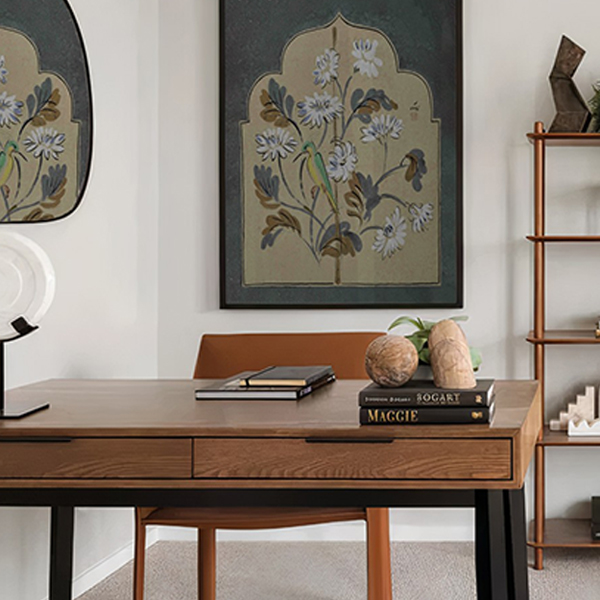
- Study & home office wall art – focus, creativity, and productivity
- Puja room wall art – spiritual, mandala, and sacred geometry choices
- Bathroom wall art – moisture-resistant options
- Balconies & outdoor walls – nature-inspired, weather-friendly art
- How to pair wall art with room furniture, décor, and lighting
- Expert tips for choosing the perfect wall art for each room
1. Why selecting wall art by room matters
Each room in an Indian home serves a different purpose—relaxation, celebration, productivity, spiritual connection. Wall art should reflect these functions. Choosing art by room ensures that visual, emotional, and cultural elements align with how the space is actually used. This leads to more cohesive, meaningful interiors.
2. Key factors that influence room-specific wall art choices
- Light levels
- Room size
- Furniture layout
- Mood and function
- Age of occupants
- Colour palette
- Cultural or lifestyle preferences
Wall art isn’t just decoration—it’s a functional design element.
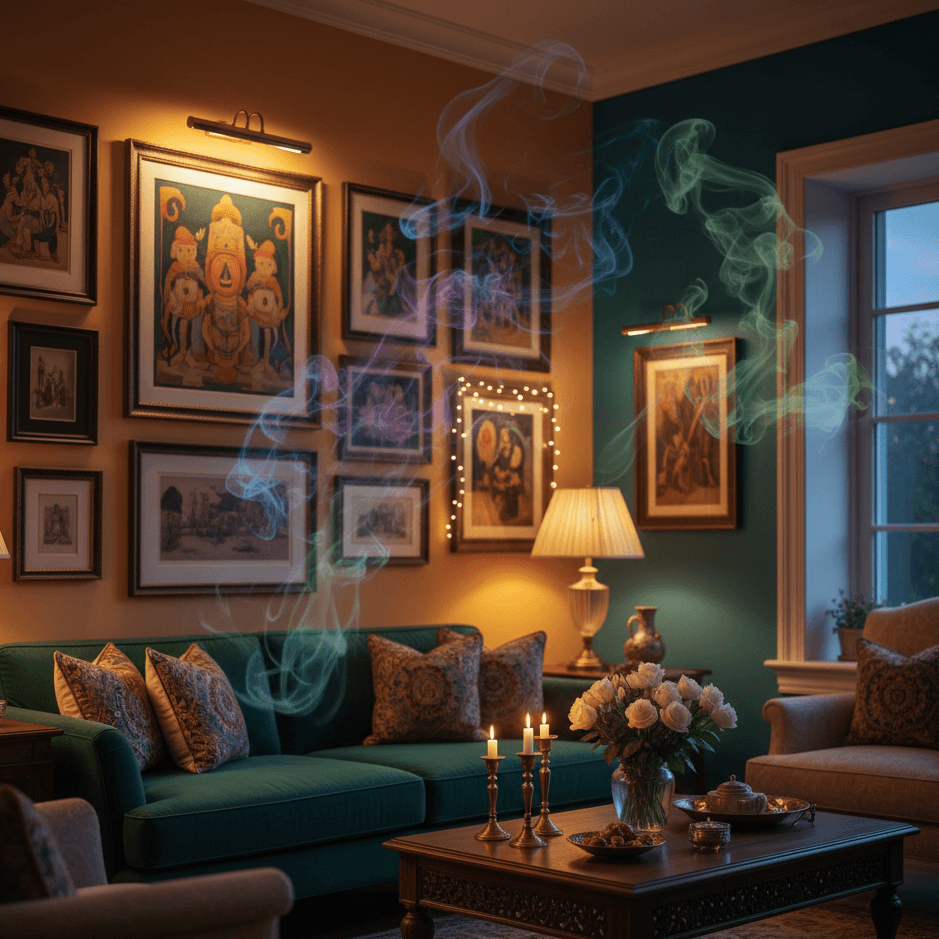
3. Living room wall art – focal points, themes, and colour psychology
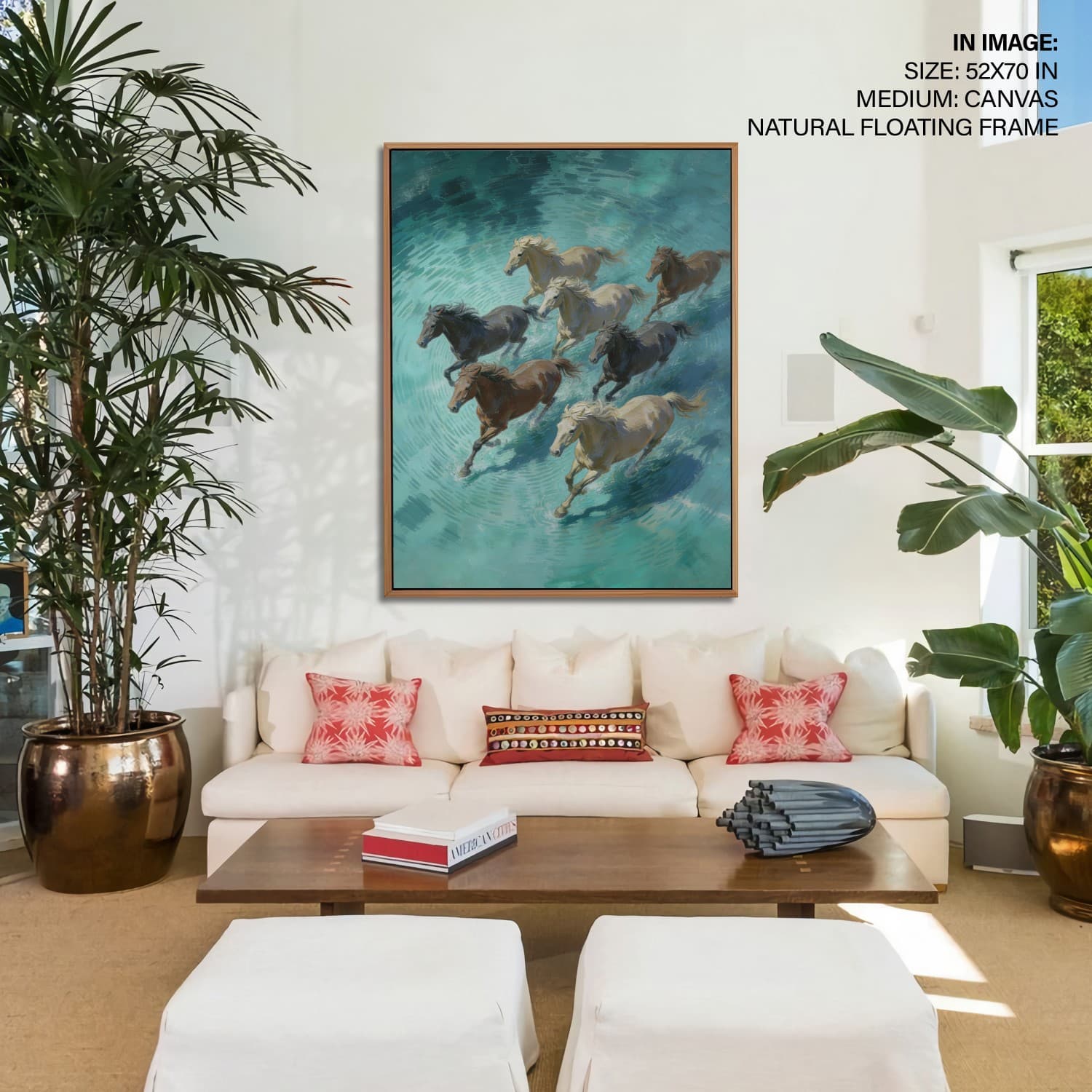
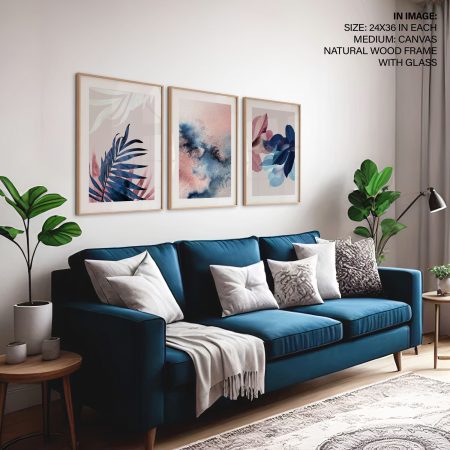
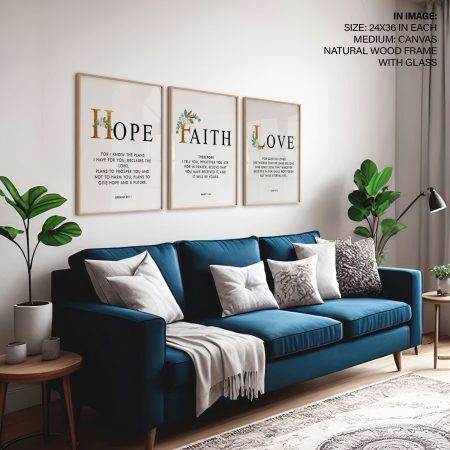
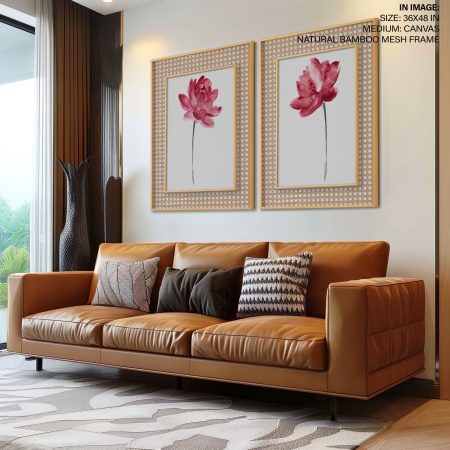
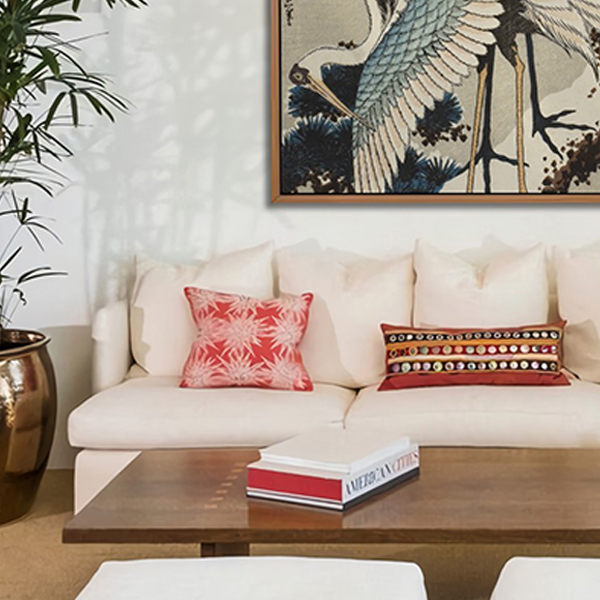
The living room hosts guests, family time, and celebrations. Choose art that makes a statement.
Best choices:
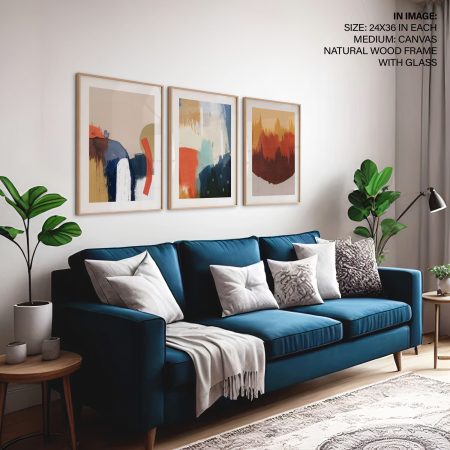
- Large abstract canvases
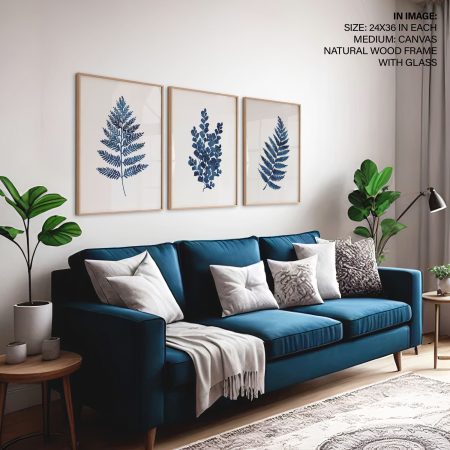
- Botanical prints
- Cultural or heritage-inspired art
- 3D sculptures
Colour psychology:
- Blues and greens for calm
- Browns and golds for warmth
- Black-and-white for modern minimalism
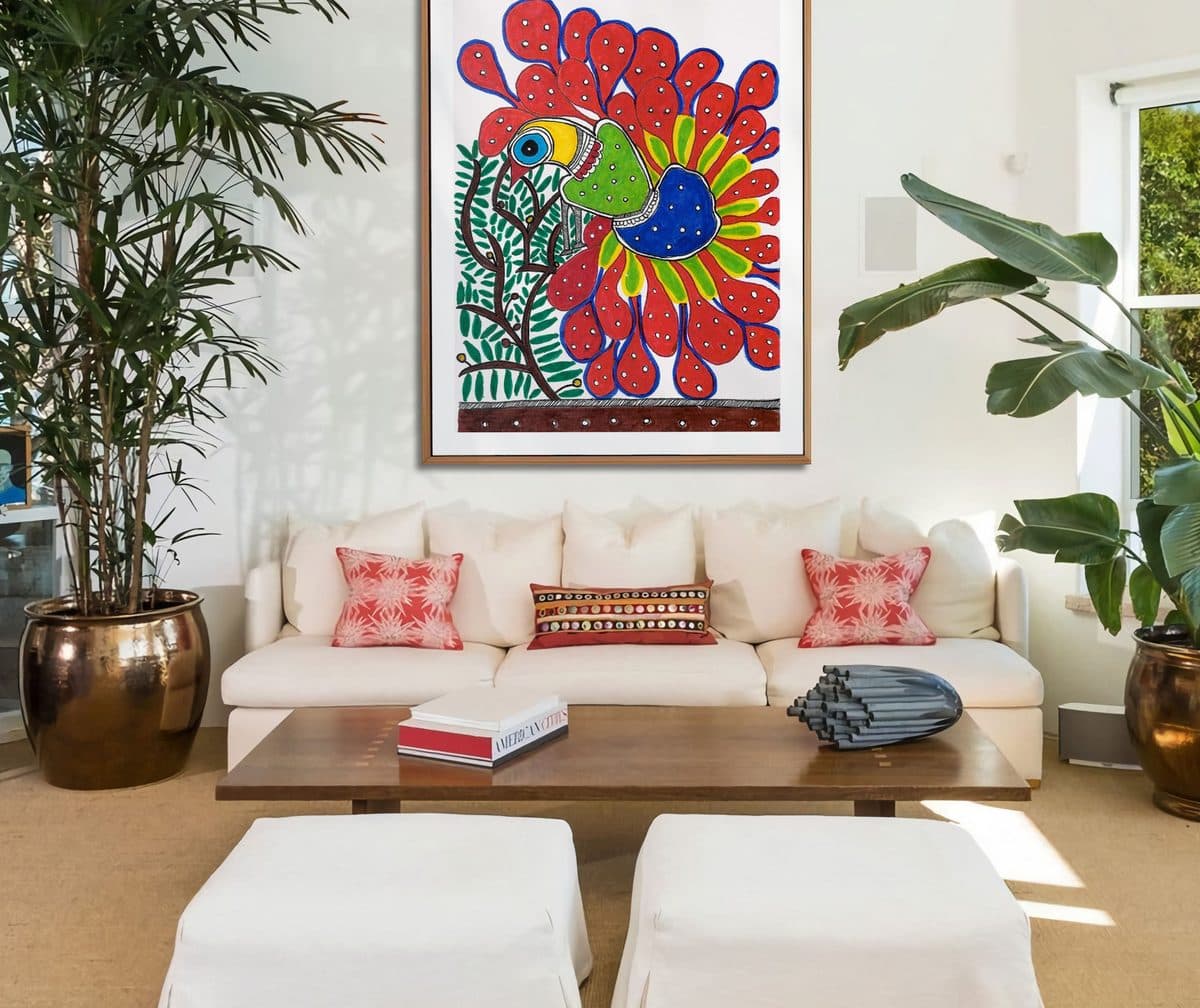
Indian touch:
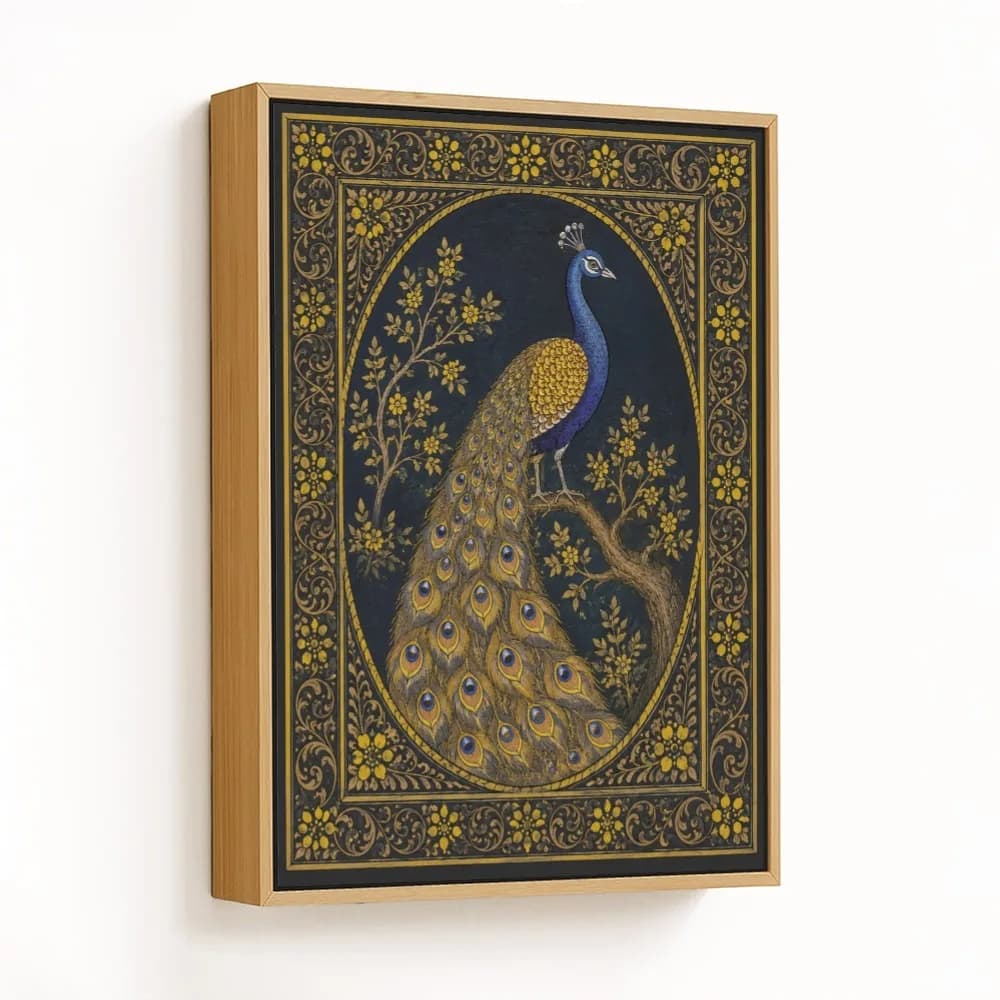
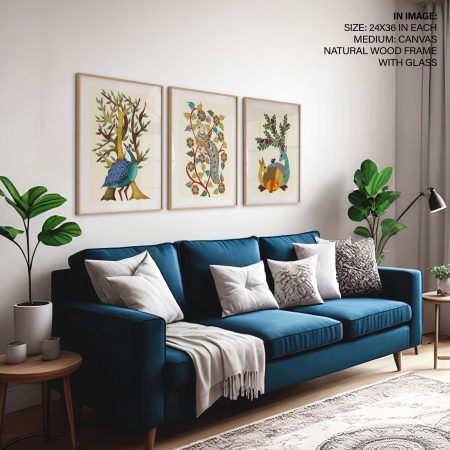
Mughal floral panels, Rajasthani folk motifs, or abstract mandalas enhance the space beautifully.
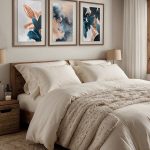
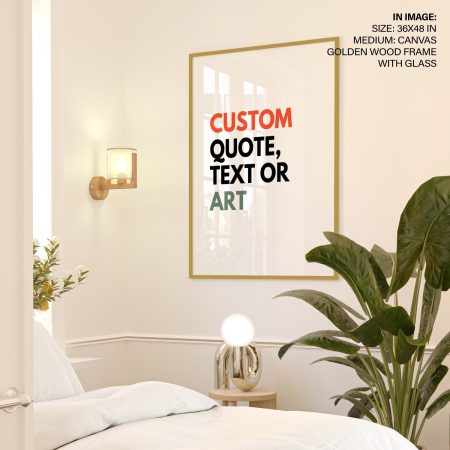
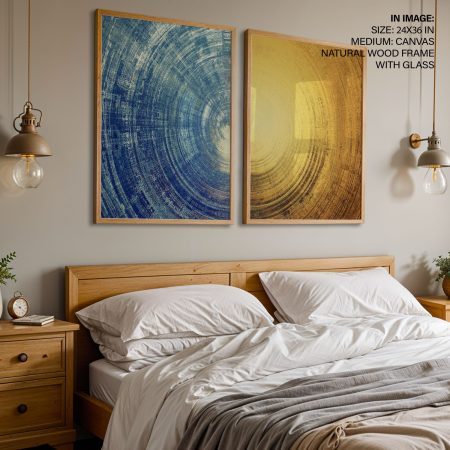
4. Bedroom wall art – calming designs, intimacy, and relaxation
The bedroom art should support sleep, intimacy, and peace.
Best choices:
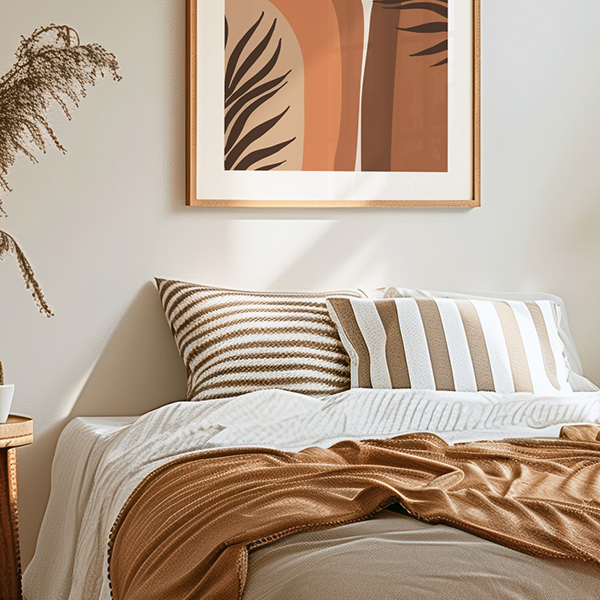
- Soft abstracts
- Minimal line art
- Nature scenes
- Pastel botanicals
- Spiritual or mandala art
Avoid:
- Loud colours
- Aggressive visuals
- Overly busy compositions
Indian bedrooms often benefit from sage green, beige, blush, and ocean-toned art.
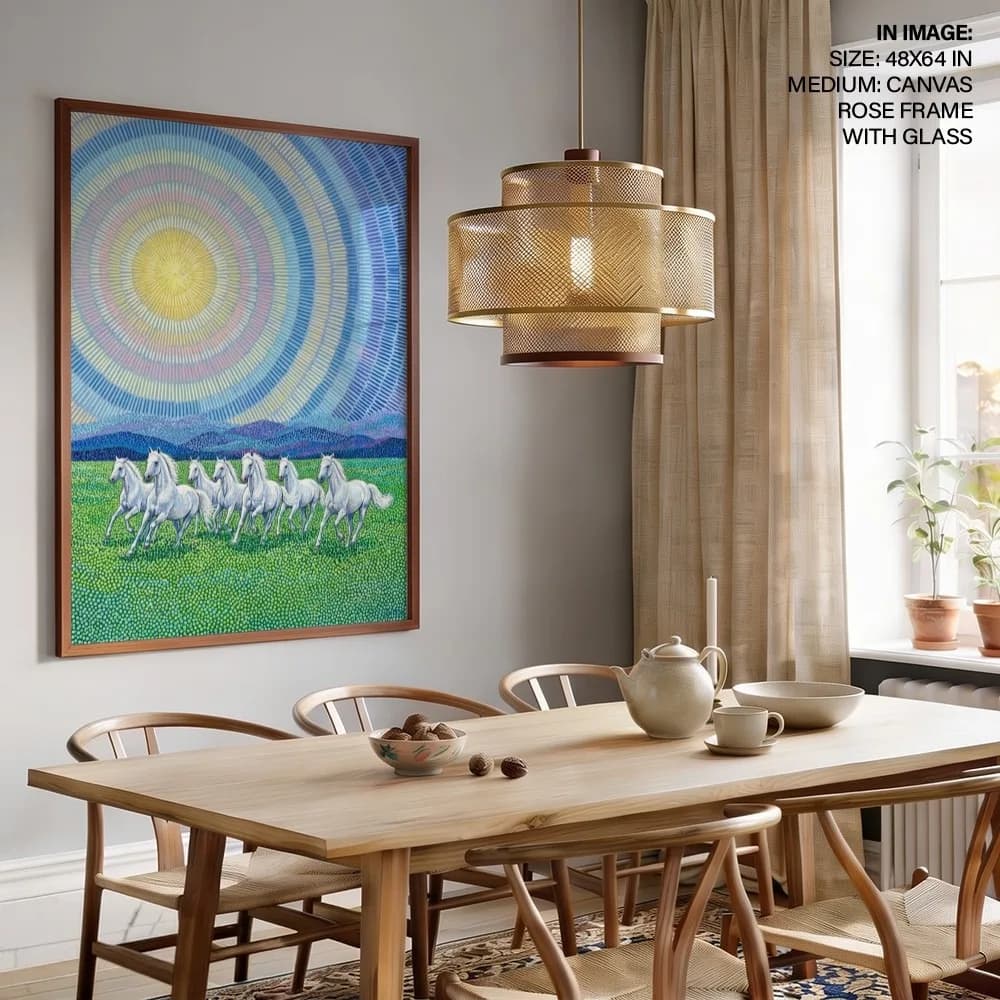
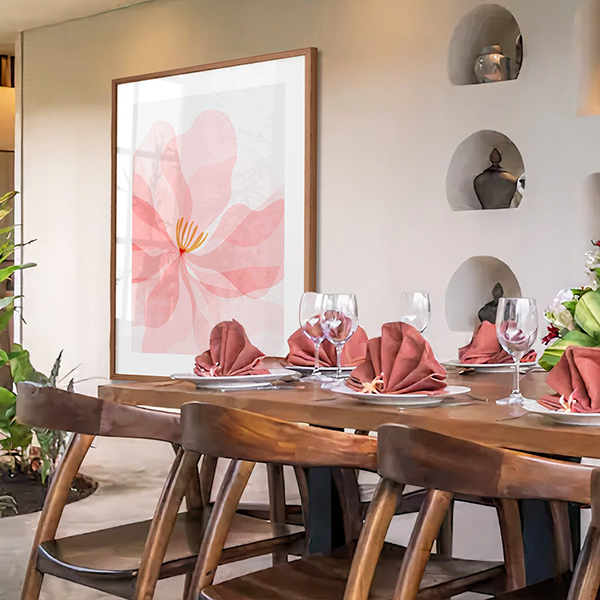
5. Dining room wall art – appetite, warmth, and conversation-friendly pieces
Dining rooms deserve inviting, warm visuals.
Best choices:
- Earthy abstracts
- Botanical prints
- Subtle metallic accents
- Harmonious colour themes
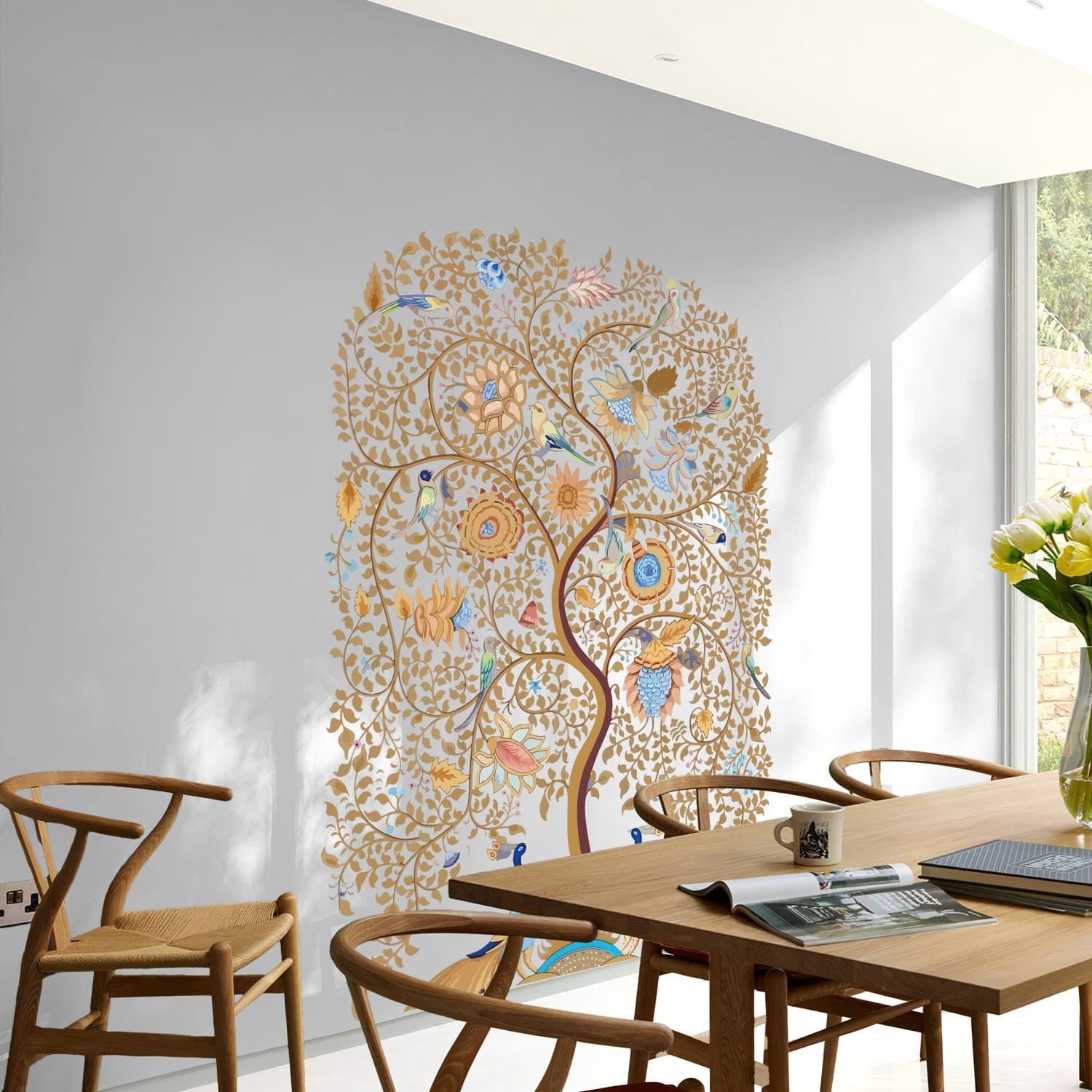
Indian context:
Terracotta, mustard, maroon, and muted gold artworks elevate traditional wooden dining setups.
6. Kitchen wall art – functional, minimal, and mood-lifting visuals
Wall art here should be moisture-safe and uplifting.
Best choices:
- Small framed prints
- Food-inspired illustrations
- Chalkboard-style art
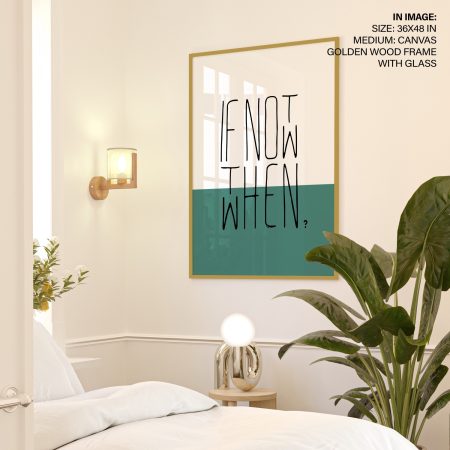
- Minimal typography
Use washable, easy-maintenance materials.
7. Entryway & foyer wall art – first impressions and cultural themes
This area sets the tone of your home.
Best choices:
- Statement mandalas
- Abstract sculptures
- Heritage-inspired motifs
- Welcoming botanicals
Indian homes often use lotus, rangoli-inspired motifs, or traditional metal sculptures for auspiciousness.
8. Hallway wall art – narrow space design strategies
Hallways need visually elongating art.
Best choices:
- Vertical frames
- Gallery wall collections
- Line art
- Soft landscapes
Light colours help brighten typically darker hallways.
9. Kids’ room wall art – age-wise aesthetics and developmental cues
Kids’ art influences their creativity and sense of safety.
Babies & toddlers:
- Soft colours
- Animals, clouds, stars
Ages 4–10:
- Educational art
- Nature illustrations
- Story-based themes
Teens:
- Typography
- Abstracts
- Aesthetic posters
Indian stories like Panchatantra or folk animal motifs are great choices.
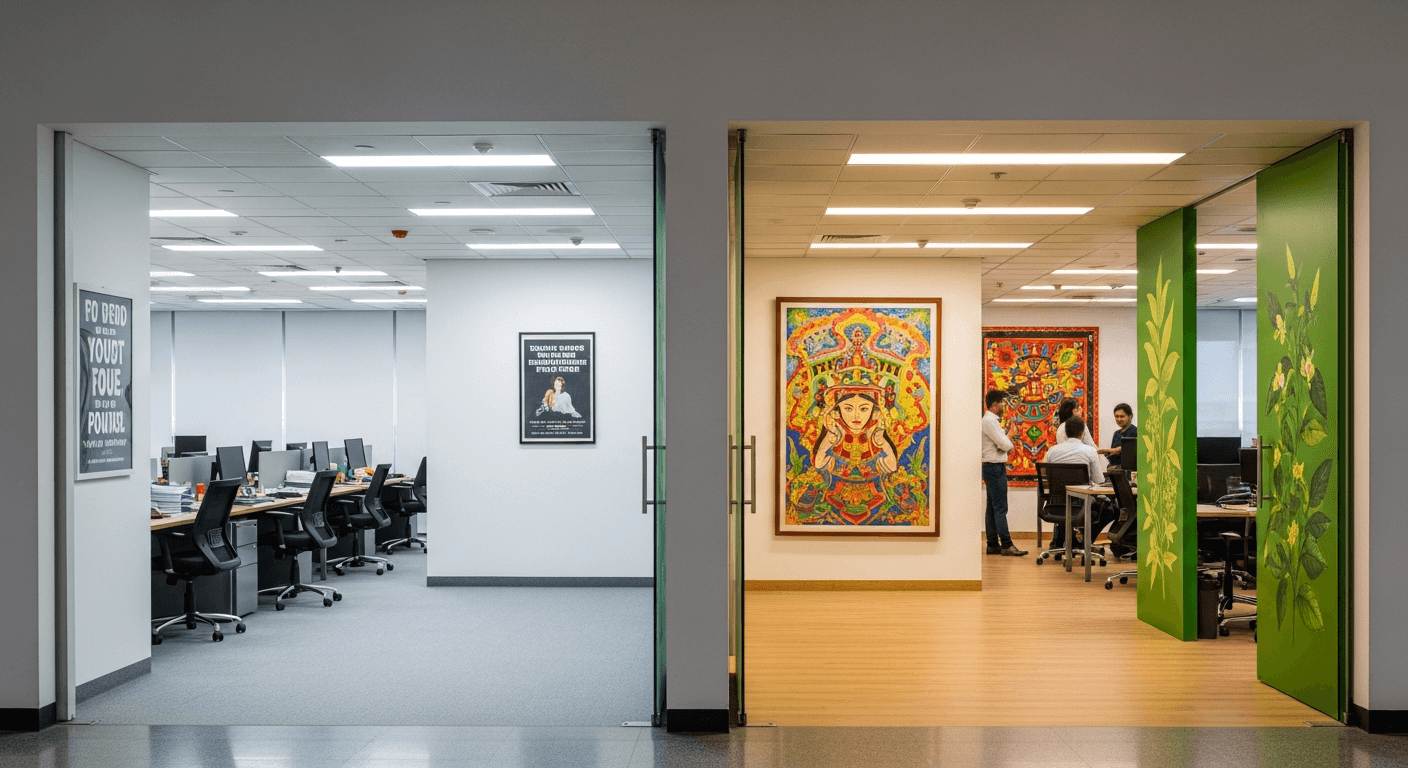
10. Study & home office wall art – focus, creativity, and productivity
Workspaces need minimal stimulation and maximum clarity.
Best choices:
- Geometry
- Monochrome art
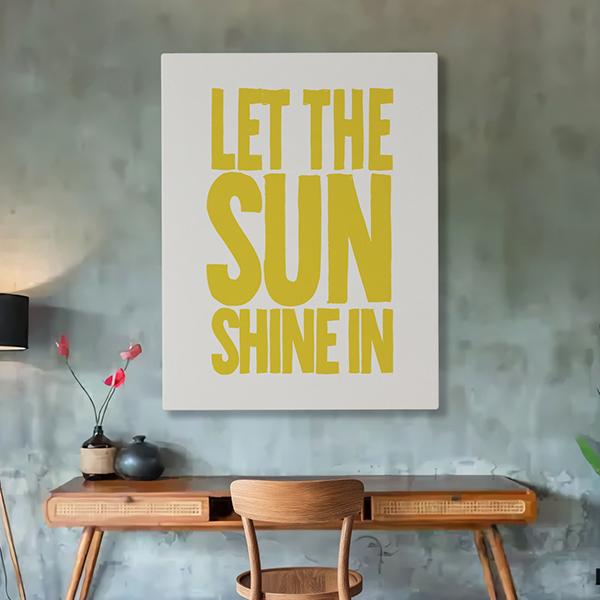
- Motivational quotes
- Calm abstracts
Cool tones like blue and grey help with concentration.
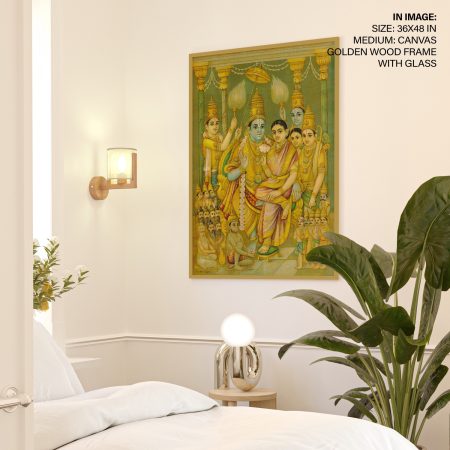
11. Puja room wall art – spiritual, mandala, and sacred geometry choices
This space requires purity and intention.
Best choices:
- Mandalas
- Lotus or Om symbolism
- Soft golden hues
- Symmetric sacred geometry
Use serene colours like white, saffron, or pastel yellow.
12. Bathroom wall art – moisture-resistant options
Choose washable or vinyl art.
Best choices:
- Minimal abstracts
- Botanical prints
- Typography
- Coastal-themed art
Use calming colours like aqua and beige.
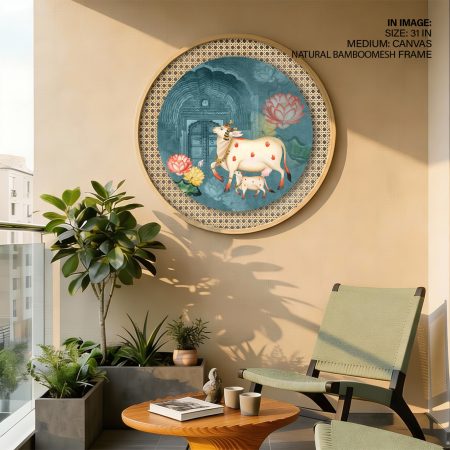
13. Balconies & outdoor walls – nature-inspired, weather-friendly art
Indian balconies serve as mini escape zones.
Best choices:
- Metal art
- Resin-coated abstracts
- Weather-proof botanicals
- Bird or nature motifs
Greenery pairs well with any wall art in outdoor spaces.
14. How to pair wall art with room furniture, décor, and lighting
- Match colour tones between art and cushions or rugs
- Use warm lights for earthy art; cool lights for modern abstracts
- Choose frames that complement furniture materials
- Avoid overpowering art in rooms with heavy décor
The goal is harmony, not competition.
15. Expert tips for choosing the perfect wall art for each room
- Start with the room mood → then select the art
- Use large art pieces for focal points
- Avoid busy art in bedrooms
- Use cultural themes for foyers and dining rooms
- Let kids choose their own art—it builds identity
- Keep a consistent colour story through the home
Choosing wall art by room helps create a balanced, beautiful, and emotionally meaningful home.